Understanding the impact of social media on modern businesses requires a balanced evaluation of its advantages, limitations, and long-term implications. This article explores the pros, cons, and insights surrounding social media’s role in today’s business environment.
Social media has become one of the most powerful forces shaping modern businesses. From startups to multinational corporations, almost every brand relies on social platforms to communicate, market, and grow. What started as a tool for personal connection has evolved into a global business ecosystem. However, despite its widespread adoption, a crucial question remains: is social media truly helping businesses, or is it hurting them in the long run?
Understanding the Impact of Social Media on Businesses
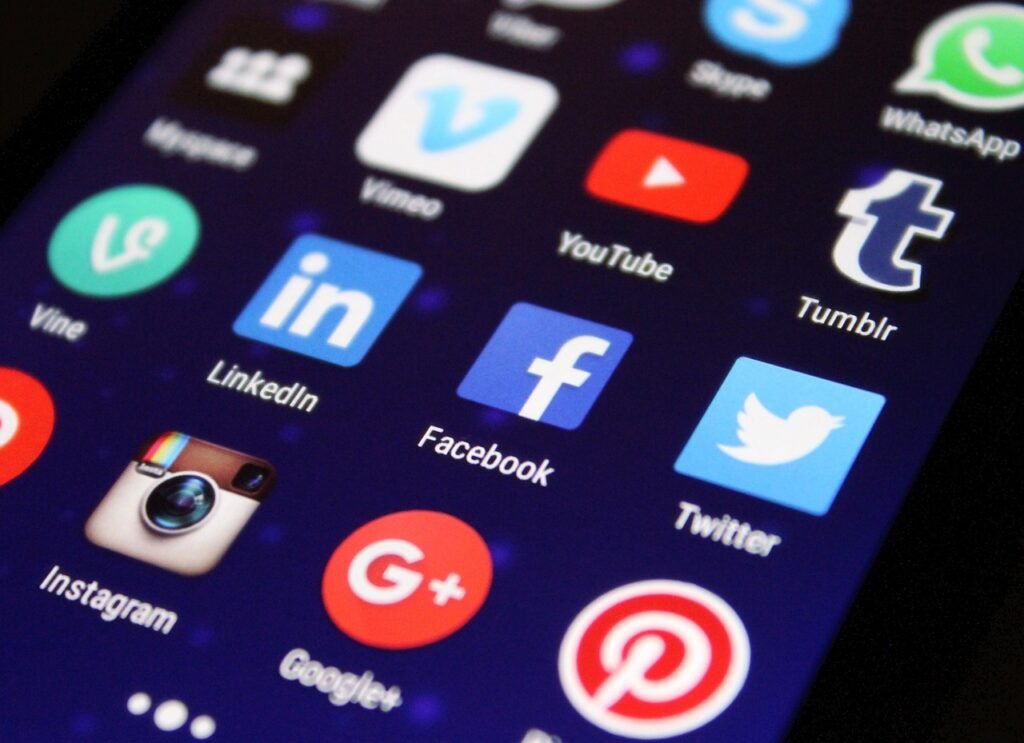
The impact of social media on businesses goes far beyond likes, shares, and followers. Platforms such as Instagram, Facebook, LinkedIn, X (Twitter), and YouTube influence brand visibility, customer trust, purchasing behavior, and even company reputation. Social media has transformed how businesses engage with their audience, making communication faster, more direct, and more interactive.
For many businesses, social media acts as a digital storefront. Customers often discover brands, read reviews, compare products, and make purchasing decisions directly through social platforms. As a result, the impact of social media is deeply tied to both brand growth and brand risk.
Pros of Social Media for Modern Businesses
Impact of Social Media: Increased Brand Awareness and Visibility
One of the most significant benefits of social media is its ability to increase brand visibility. Businesses can reach a global audience without the massive budgets once required for traditional advertising. The impact of social media on brand awareness is especially valuable for small and medium-sized businesses, allowing them to compete with established brands.
Consistent posting, creative content, and strategic hashtag usage help brands stay visible in crowded digital spaces. Social media algorithms also reward engaging content, further amplifying reach when users interact with posts.
Direct Customer Engagement and Relationship Building
Social media enables two-way communication between businesses and customers. Unlike traditional marketing, where communication is mostly one-sided, social platforms allow real-time interaction. Businesses can respond to comments, messages, and feedback instantly.
This direct engagement strengthens customer relationships and builds trust. The impact of social media on customer loyalty is evident when brands actively listen, respond, and adapt based on audience feedback.
Cost-Effective Marketing and Advertising
Compared to television, print, or radio advertising, social media marketing is highly cost-effective. Even organic strategies, when executed well, can deliver impressive results. Paid advertising on social platforms also allows businesses to target specific demographics, interests, and behaviors.
The impact of social media advertising lies in its precision. Businesses can track performance, measure conversions, and optimize campaigns in real time, ensuring better return on investment.
Data-Driven Insights and Analytics
Another advantage is access to detailed analytics. Businesses can track reach, engagement, click-through rates, and conversions. These insights help brands understand what content resonates with their audience.
The impact of social media analytics supports smarter decision-making, allowing businesses to refine their strategies based on actual data rather than assumptions.
Cons of Social Media for Modern Businesses
Reputation Risks and Negative Publicity
While social media can boost a brand, it can also damage it quickly. A single negative comment, bad review, or viral complaint can harm a company’s reputation. The impact of social media crises is often immediate and highly visible.
Businesses must be cautious, as mistakes are amplified online. Poor customer service responses or controversial content can lead to backlash and loss of trust.
Overdependence on Algorithms
Many businesses rely heavily on social media algorithms for visibility. However, algorithm changes can drastically reduce reach overnight. This unpredictability makes businesses vulnerable when social media becomes their primary marketing channel.
The impact of social media algorithm dependency can hurt businesses that lack diversified marketing strategies such as SEO, email marketing, or owned platforms like websites.
Time-Consuming and Resource-Intensive
Managing social media effectively requires time, creativity, and consistency. Content creation, community management, analytics tracking, and trend monitoring can strain internal resources, especially for small teams.
The impact of social media workload is often underestimated, leading to burnout or inconsistent posting, which affects brand perception.
Reduced Focus on Core Business Operations
Excessive focus on social media metrics such as likes and followers can distract businesses from core objectives like product quality, customer satisfaction, and long-term growth. Vanity metrics do not always translate into revenue.
The impact of social media obsession can mislead businesses into prioritizing visibility over value creation.
Impact of Social Media on Customer Behavior
Social media heavily influences how consumers perceive and interact with brands. Reviews, influencer endorsements, user-generated content, and brand storytelling shape purchasing decisions. Customers often trust peer recommendations more than traditional advertisements.
The impact of social media on customer trust can be positive when businesses maintain transparency and authenticity. However, misleading promotions or exaggerated claims can quickly erode credibility.
Pros, Cons & Insights: A Balanced Perspective
Strategic Insights for Businesses
The key insight is that social media itself is neither entirely helpful nor harmful. The impact of social media depends on how strategically it is used. Businesses that align social media with clear goals, brand values, and audience needs experience positive outcomes.
Successful brands treat social media as part of a broader digital ecosystem rather than a standalone solution. Integrating social media with content marketing, SEO, email campaigns, and customer support creates a balanced approach.
The Importance of Authenticity and Consistency
Modern consumers value authenticity. Businesses that communicate honestly and consistently across platforms build stronger connections. The impact of social media authenticity reflects directly on brand loyalty and long-term growth.
Consistency in messaging, visuals, and tone helps establish a recognizable brand identity, making social media efforts more effective.
Long-Term vs Short-Term Results
Social media often delivers fast visibility but uncertain long-term stability. Businesses must focus on sustainable growth rather than instant trends. The impact of social media is most beneficial when it supports long-term brand building rather than short-term attention.
Conclusion: Is Social Media Helping or Hurting Modern Businesses?
Social media is a powerful tool with the ability to both help and hurt modern businesses. Its benefits include increased brand awareness, customer engagement, cost-effective marketing, and valuable insights. At the same time, challenges such as reputation risks, algorithm dependency, and resource demands cannot be ignored.
Ultimately, the impact of social media on businesses depends on strategic planning, consistent execution, and balanced expectations. When used thoughtfully, social media acts as a growth accelerator. When misused or overrelied upon, it can become a liability.
For modern businesses, the answer is not choosing whether to use social media, but how to use it wisely. By understanding the pros, cons & insights, businesses can leverage social media as a supportive force rather than a damaging one.